
Top 7 Essential Travel Resources for Individuals With Mobility Needs
Introduction
Travel for individuals with mobility needs can be challenging, but the right tools and support make it possible to explore the world with confidence. At Free2Go Travel, we are committed to removing barriers and making inclusive travel a reality. This guide highlights the top essential travel resources, expert strategies, and community insights that empower travelers to move from hesitation to adventure.
Mapping the Journey With Accessible Vacation Planning Tools
Effective planning is the foundation of successful accessible travel. Many travelers encounter fragmented information and varied accessibility standards, leading to decision fatigue. Digital platforms like Wheelmap, AccessNow, and TUR4all simplify this process by providing crowdsourced data on step-free routes, ramp locations, and user ratings. Specialized travel agencies such as Free2Go Travel offer personalized guidance and global support, ensuring individual needs are met.
Create a concise accessibility wish list that includes door widths, bed height, and roll-in showers. Schedule a free consultation with an accessibility travel advisor to verify details. Google Maps’ Accessibility Routes feature helps map realistic itineraries, which can be saved for offline use. Universal design is shaping the future of travel, making it easier to find hotels with features like height-adjustable furniture and voice-activated lighting. AI-powered assistants now distill lengthy accessibility statements into clear bullet points, reducing information overload.
Navigating the World of Accessible Accommodations and Destinations
Selecting accessible accommodations requires more than booking an “ADA room.” Essential features include step-free entry, adapted bathrooms with grab bars and roll-under sinks, and service-animal-friendly policies without extra fees. Look for amenities such as pool lifts, tactile signage, and low counters.
Resources like the U.S. State Department’s Accessibility Needs portal and AccessiBe’s hotel audits confirm compliance. Free2Go Travel’s pre-vetted partners eliminate guesswork. Before booking, request time-stamped photos or a virtual tour, ask for a demonstration of bathroom space, and review descriptions for terms that may imply limited accessibility.
Free2Go’s destination guides offer insights on accessible tourism in Italy and Australia’s travel rebound, providing practical, region-specific advice for travelers with mobility needs.
Essential Mobility Aids and Adaptive Equipment for Seamless Adventures
The right equipment transforms travel, enabling independence and flexibility. In addition to standard wheelchairs and scooters, consider beach tires, compact hoists, and the Free2Go Rollator. This device, designed by Free2Go’s founder, combines a rollator, raised toilet seat, and transfer aid—ideal for cruise cabins or European bathrooms.
Compare Free2Go Rollator & Support with generic rental services:
- Pre-trip fitting: Virtual demo plus measurement sheet versus none
- Global repair network: 24/7 hotline and overnight parts versus local vendor only
- Backup solutions: Arranged secondary chair or scooter versus extra cost and no guarantee
- Expertise recognized by TravelAbility “Fabulous 50 Tech” list
When flying, remove detachable parts from your device for carry-on, attach laminated handling instructions in the local language, and use Bluetooth trackers. If equipment breaks abroad, Free2Go’s technicians arrange repairs or replacements, ensuring peace of mind.
Inclusive Transportation Solutions for Every Step of the Way
Accessible transportation is critical at every stage of the journey. Travelers may face confusing booking systems, unexpected vehicle changes, or inconsistent rail platforms. Solutions include wheelchair-accessible ride-sharing apps, modified rental vans, and cruise lines with boarding lifts.
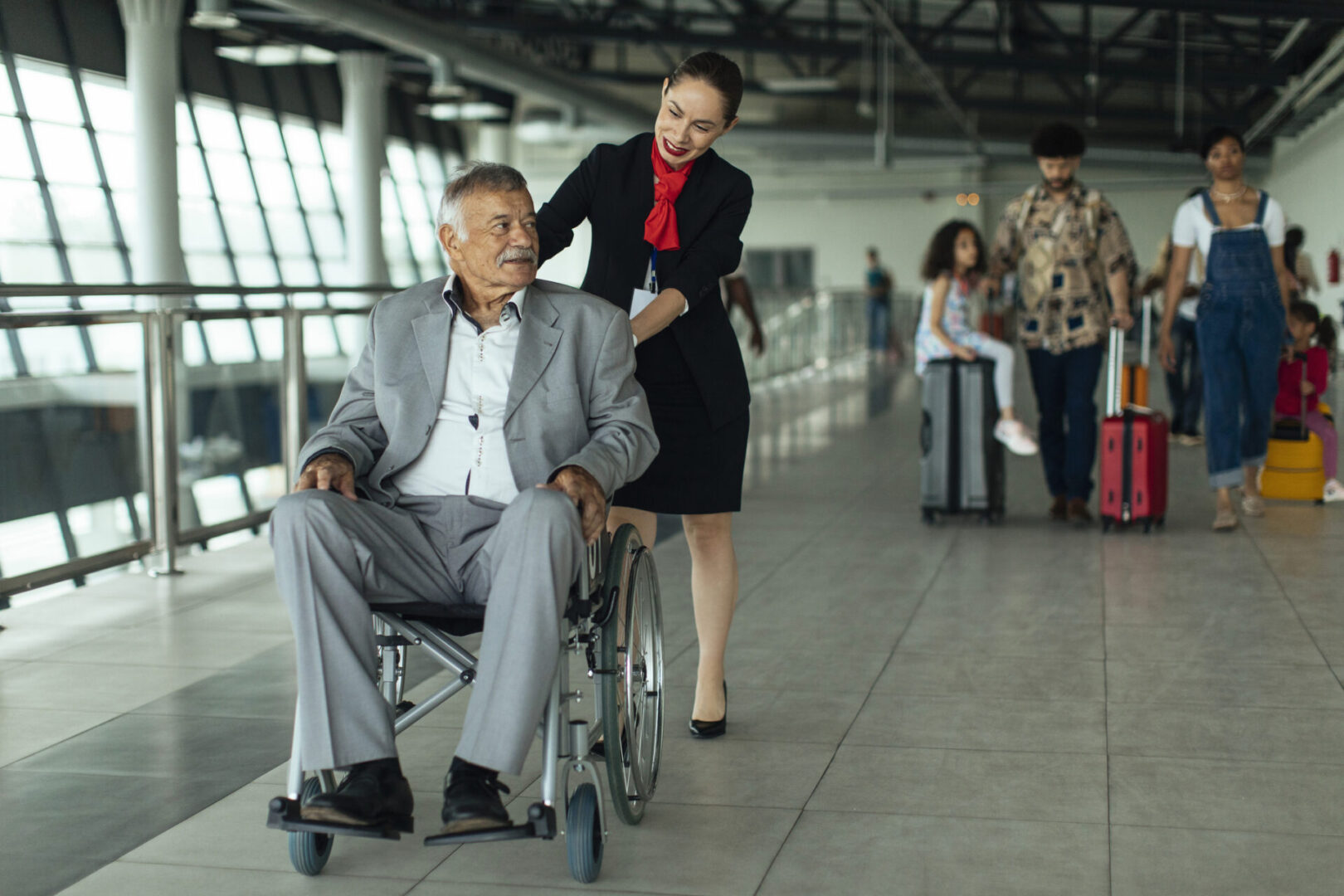
Free2Go Travel coordinates door-to-door transfers and group mobility for families, leveraging partnerships with accessible cruise lines. For air travel, notify airlines of mobility devices at least 48 hours in advance and request a gate tag. Use NaviLens for real-time wayfinding in large terminals, and carry a summary of the Air Carrier Access Act for reference.
Public transit accessibility varies widely. For example, New York’s subway lacks elevators in most stations, while London’s Docklands Light Railway is fully step-free. Free2Go advisors bridge gaps with adapted taxi services or private accessible tours, ensuring smooth travel throughout.
Caregiver and Companion Support Resources for Stress-Free Travel
Caregivers play a vital role in accessible travel but often face lifting fatigue, limited respite options, and unclear medical protocols. Support resources include professional guides trained in transfers, respite care apps connecting travelers to vetted aides, and online support groups for advice.
Draft a concise care plan with medication schedules and emergency contacts and share it with hotel management before arrival. Balance independence by agreeing on daily check-ins instead of constant supervision.
Free2Go Travel incorporates caregiver needs into every itinerary, scheduling breaks, accessible hotel spas, and multi-generational activities. For additional support, review government caregiver resources or Free2Go’s blog on balancing safety and adventure.
Safeguarding the Journey With Specialized Travel Insurance and Emergency Planning
Standard insurance policies frequently exclude mobility devices or pre-existing conditions. Comprehensive travel insurance for disabled travelers should cover rental or replacement of equipment, emergency medical evacuation, and trip interruption if a caregiver is incapacitated.
Bring doctor’s clearance letters and prescriptions in original containers, store photos of equipment and serial numbers in the cloud, and carry a bilingual medical summary card. Free2Go Travel recommends insurers experienced with adaptive equipment and chronic illness needs and helps match coverage to your itinerary. Program local emergency numbers; in the EU, 112 works across borders.
Unlocking a World of Inclusive Experiences through Community and Technology
Peer advice is invaluable for discovering accessible destinations. Platforms like AccessibleGO and Facebook’s “Wheelchair Travelers” group provide honest reviews and tips on hidden ramp locations. Digital tools such as Be My Eyes’ AI assistant and voice-controlled smart rooms enhance inclusivity.
Free2Go Travel fosters community engagement with blog posts, Q&A sessions, and interactive polls. For maximum benefit, check member credibility, use hashtags like #inclusiveTravel, and stay connected with eSIM data for real-time solutions.
Sharing travel experiences supports others, making accessible travel planning easier for future adventurers.
Embracing Boundless Travel Possibilities With Confidence and Support
The resources highlighted above create a toolkit for accessible travel. Digital planning tools, vetted accommodations, adaptive equipment, inclusive transportation, caregiver resources, specialized insurance, and community support turn obstacles into opportunities. Free2Go Travel’s expertise and innovation ensure you never travel alone. Begin your journey today.